
Company Names for New Irish Companies
Learn how to choose a compliant company name in Ireland. Avoid CRO rejection with expert guidance on naming rules, restrictions, and best practices.
Who should read this
This article is written for entrepreneurs and business founders who are planning to register a company in Ireland.
It is particularly relevant for those who want to avoid delays and rejections when registering their company name with the Companies Registration Office.
Key takeaways
- Generic additions like "Holdings," "Group," or "Services" are insufficient to distinguish your company name from existing businesses, and the CRO will likely reject such modifications
- Names that sound phonetically similar to existing companies will be rejected, even if spelled differently, requiring careful consideration of both pronunciation and spelling
- Special words such as "Bank," "University," or "Charity" require specific regulatory approval, even when used as part of a compound word
- Creating unique, inventive names by combining words or using industry-specific elements increases the likelihood of CRO approval
- The registered company name must appear on all formal documents, but you can use a simplified version for marketing purposes, provided there are no intellectual property conflicts
Starting a business is exciting, but picking the right name can be surprisingly tricky, especially in Ireland.
Unfortunately, it’s not as simple as just finding something catchy - your company name has to follow specific legal rules set by the Companies Registration Office (CRO).
To avoid the very real possibility of the CRO rejecting your name, which will then delay the incorporation process, have a read of the below so that you can try get approved by the CRO first time round.
Understanding the Rules
The CRO has specific rules about what makes a company name distinct and acceptable. Unfortunately, their application of these rules can sometimes be inconsistent, so we recommend being overly-cautious.
Here are a few key points:
Simple Additions probably won’t work
Adding generic terms like “Holdings”, “Group”, or “Services” generally won’t be enough to distinguish your company name from others. For example, if there’s already a “Tech Solutions Limited” registered, “Tech Solutions Holdings Limited” would likely be refused (unless you already own Tech Solutions Limited).
The same goes for adding names like “company”, “co”, “corporation”, “and”, “&”, “system”, “international”, “Dublin” or “Ireland” - these are not considered a unique distinction.
Phonetic and Visual Similarity
If a proposed name sounds similar to an existing company, even if spelled differently (e.g., “Byte Builders” vs. “Bite Builders”), it will likely be rejected. Be mindful of both pronunciation and spelling when brainstorming names.
Special Words and Approvals
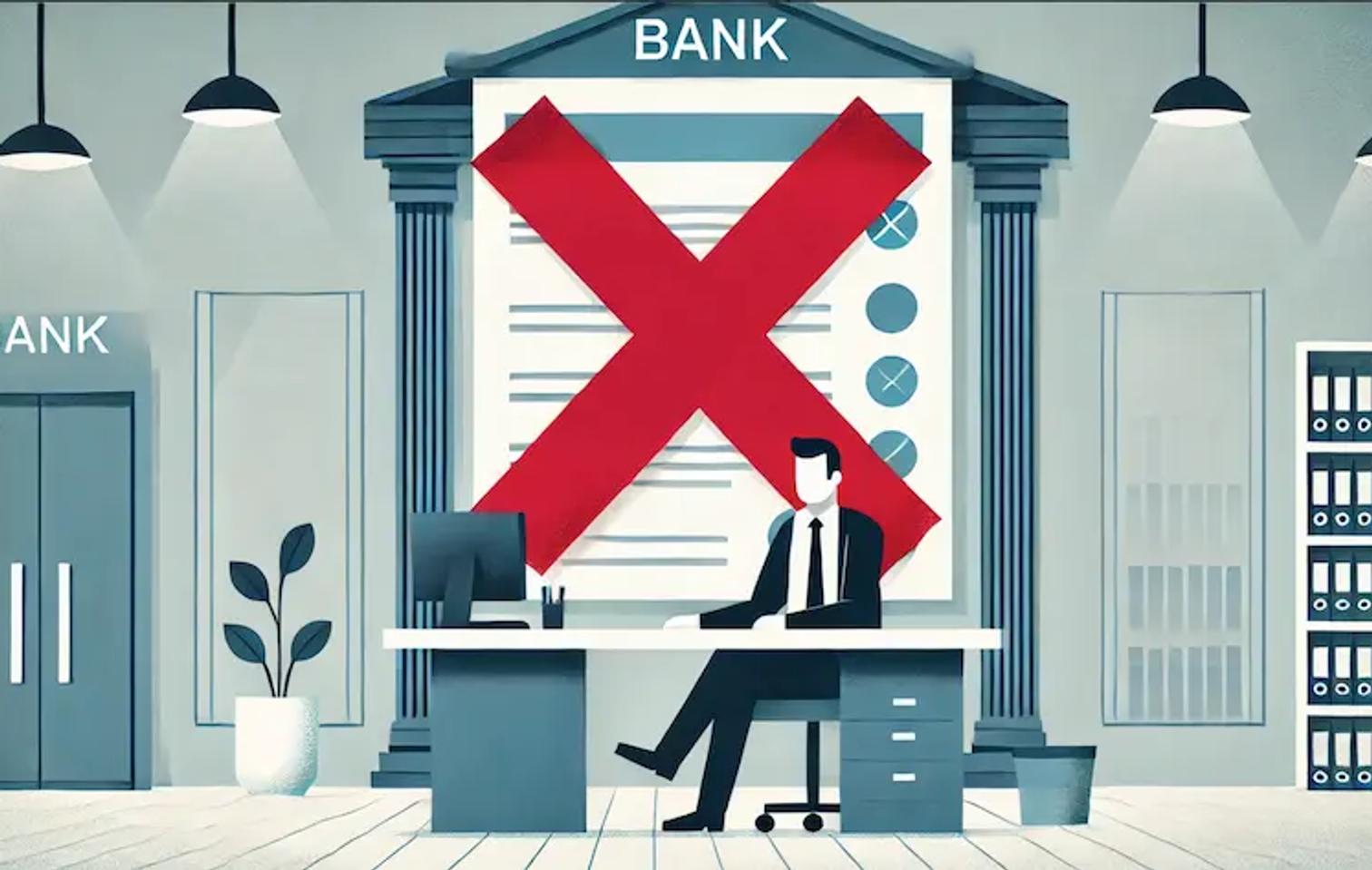
Certain words, such as “Bank”, “University”, or “Charity”, require special approval. For instance, using the term “Bank” in any part of your name requires permission from the Central Bank of Ireland, even if the context is non-financial.
This also applies to names such as “hollybank”, “sweetbank”, “canal bank”, “bancorp”, etc. and the surname “Banks” not withstanding the fact that the company may not intend to carry on banking business.
2. Tips for Choosing a Unique Name
Rule number 1 - create something distinct and unique where possible. Here are some practical strategies:
- Use Made-Up or Combined Words - one way to stand out is to invent a new word or combine unrelated words. For example, instead of “Dublin Software Services”, consider something like “SoftCorex Limited”. This name doesn’t just differentiate from competitors, it’s also easier to secure a matching domain name and social media handles.
- Add Industry-Specific or Creative Elements - incorporate words related to your specific industry but in a way that isn’t purely descriptive. Instead of “Food Delivery Limited”, try “TasteFleet Solutions Limited” or “DelishExpress Limited”. These names are distinct yet still indicate the nature of your business.
- Consider Different Language Roots - using non-English words or alternative spellings (while ensuring clarity) can help create a unique identity. For example, “ArdTech Limited” uses the Irish word for “high”, making it more distinct than a generic “HighTech Limited”. A recent Irish company we helped called themselves "Jentic" which is a play on agentic AI agents. The had no trouble with the CRO.
- Check for Existing Names Early - before settling on a name, search the CRO database to see if a similar name is already registered. The CRO’s Company Search Facility can help you quickly assess if your chosen name is too close to an existing business.
3. Balancing Legal and Brand Considerations
Remember that the official company name you register will appear on all formal documents, like invoices and contracts. However, you don’t necessarily need to use this full name for your website or marketing materials. For instance, your registered company could be “GreenSpark Innovations Limited”, but on your website and branding, you could just use “GreenSpark”. This flexibility allows you to meet legal requirements while maintaining a simpler public-facing identity. Just keep in mind any possible intellectual property breaches when doing this.

4. Examples of Naming Best Practices
- Good Example - “BlueHorizon Technologies Limited” is distinct and creative, combining a visual (horizon) with a descriptor (technologies) in a unique way.
- Weak Example - “Blue Services Limited” would likely be rejected, as it’s not sufficiently different from other service-related companies.
Generic Terms Like "Holdings", "Group", or "Services"
- Weak Example: BrightFuture Holdings Limited
- Good Example: BrightFuture Ventures Limited
Geographic Locations
- Weak Example: GreenTech Dublin Limited
- Good Example: GreenTech Innovations Limited
Over-Reliance on Descriptive Terms
- Good Example: CargoMaster Logistics Limited
- Weak Example: Global Logistics Services Limited
Adding Weak Qualifiers
- Good Example: OceanWave Solutions Limited
- Weak Example: Ocean Solutions Limited
Similar Phonetics or Concepts
- Good Example: ExpertFinance Advisors Limited
- Weak Example: FinanceExperts Limited
Ultimately, picking a name that’s unique, memorable, and legally compliant can be challenging (almost as challenging as getting a good .com these days!), but it’s worth the effort to get it right from the start.
With a well-chosen name, you’ll avoid CRO rejections and set a strong foundation for your business’s future success.
5. Final Thoughts
The CRO’s guidelines can sometimes be subjective, making it difficult to predict whether a name will be accepted or rejected.
Because of this, founders should be cautious from the get-go and aim for uniqueness.
Remember, while you can tweak your marketing name later, your registered company name is permanent and needs to be chosen carefully.
For more on this, check the CRO’s full guidance on picking a company name here.
Or reach out to us at Open Forest and introduce your startup!
How Can Open Forest Help?
Open Forest offers the cheapest and fastest incorporation packages in Ireland including holding companies for €99 including CRO fees and access to the Open Forest platform so you can keep track of all of your legal, tax and accounting obligations - at no additional cost.
Choose from one of our incorporation packages here and we will take care of the rest.
Irish Company Formation
Your Irish company, ready in days — not months.
Join 1,000+ founders who incorporated with Open Forest. We handle the paperwork, you focus on building.
No hidden fees/Fully compliant/Free consultation

Related articles


May 27, 2026 - 6 min read
Side Letters: Key Terms, Risks and Negotiation Tips for Irish Founders
Learn what investor side letters are, the terms they typically cover, risks for founders and how Irish startups can negotiate them without complications in future rounds.

May 26, 2026 - 9 min read
Zero Hour Contract Ireland: 2018 Act Rules Explained
Irish employers managing variable hours must follow the 2018 Act ban on zero hour contracts. This guide covers banded hours, minimum payments, if-and-when rules, and WRC compliance steps.

May 24, 2026 - 7 min read
Director Service Agreement Ireland: Founder Guide
Understand how Irish law treats directors as office-holders vs employees, and why founders need a written service agreement covering duties, pay, covenants, and termination.

Frequently asked questions
Here's everything you need to know to get started, manage your account, and troubleshoot the most frequent issues.
Search the Companies Registration Office (CRO) database using their online Company Search Facility. This will show you existing company names and help determine if your proposed name is already taken or too similar to an existing business.
First check name availability through the CRO search facility. Then submit your company name as part of your incorporation application. The name must be unique and comply with CRO guidelines. Consider engaging Open Forest to assist with the process.
Create distinctive names by combining unique words or inventing new ones, like "SoftCorex" or "TasteFleet." Strong company names are memorable, indicate your business activity, and are sufficiently different from existing companies. Avoid generic terms or descriptive words alone.
Names cannot be identical or too similar to existing companies. Certain words like "Bank," "University," or "Charity" require special approval. Adding generic terms like "Holdings," "Group," or geographic locations like "Dublin" is insufficient for differentiation. The name must not be offensive or suggest state sponsorship without authorisation.
These geographic additions are not considered sufficient to distinguish your company name from existing businesses, and the CRO will likely reject such applications.
Yes, you can use a simplified version of your registered company name for marketing purposes, but your full registered name must appear on all formal documents and contracts.
Consider combining unrelated words, using industry-specific terms in creative ways, or incorporating non-English words while ensuring clarity and distinctiveness.
Questions are welcome.
We’ll point you in the right direction.
Share a few details below and our team will follow up with guidance for your Ireland or UK company.